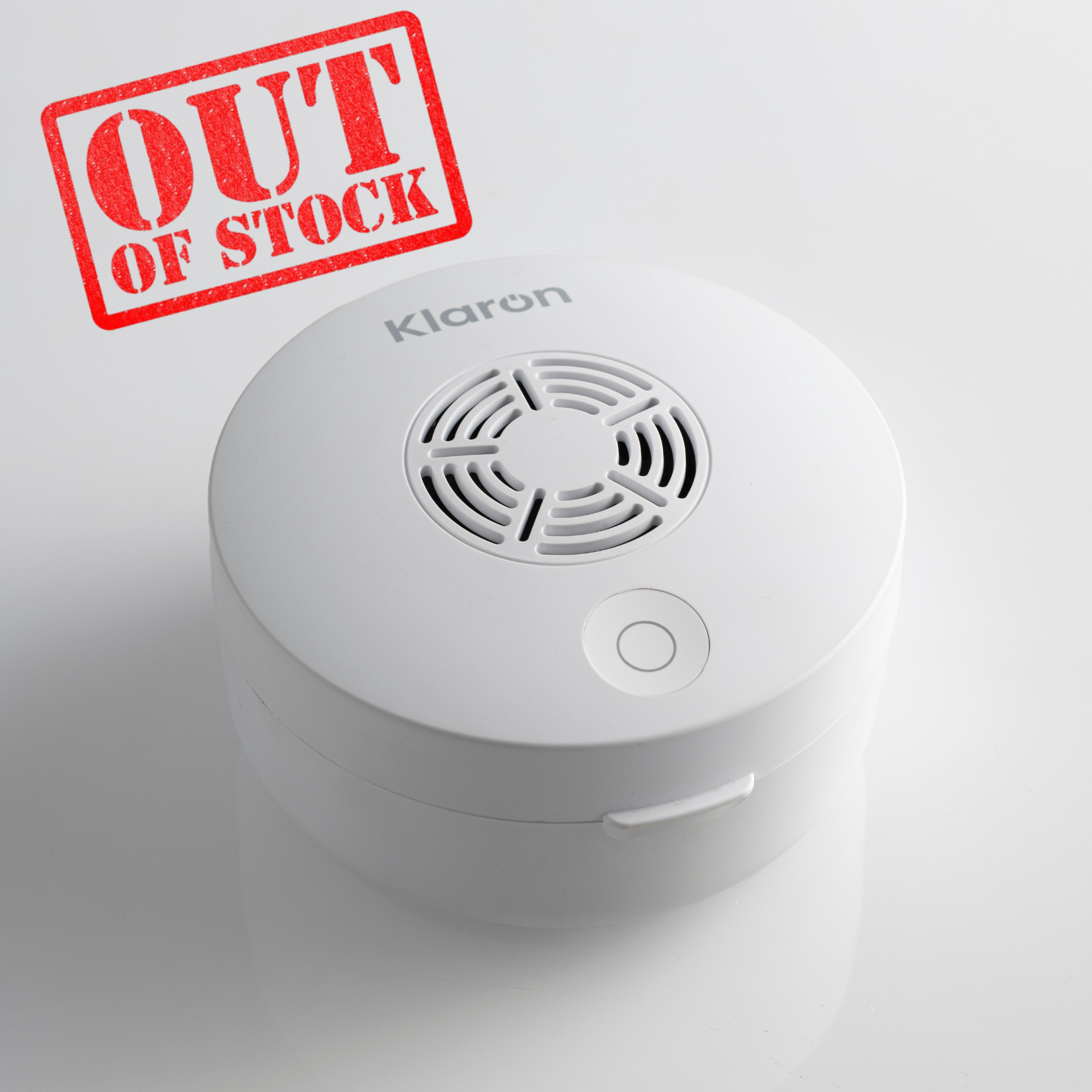
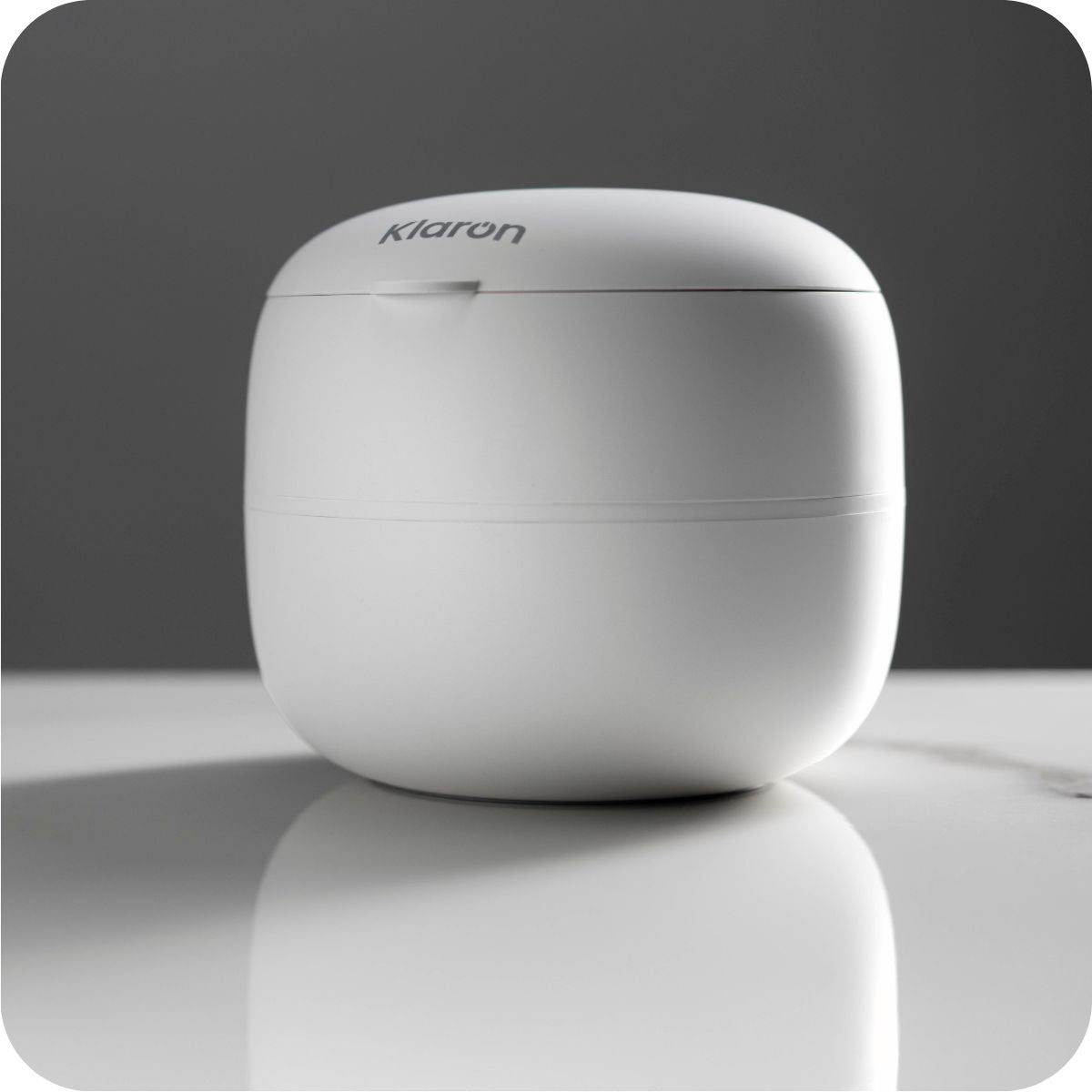
The clear aligners They're only effective if kept clean and intact; however, some cleaning errors can damage them, shorten their lifespan, and encourage the growth of bacteria, odors, and stains. Klaron ultrasonic solutions help avoid these mistakes, offering a thorough, standardized clean without stressing the material.
Abrasive toothpastes and scratches on plastic
A very common mistake is using regular toothpaste on your toothbrush to clean your aligners. Many toothpastes contain abrasive particles that, over time, scratch the surface of the aligners, making them dull and more porous, facilitating the adhesion of plaque and pigment.
Klaron ultrasonic cleaners eliminate this risky step: cavitation effectively cleans the surface without the need for scrubbing with abrasive pastes. This keeps the aligner smoother, clearer, and more comfortable throughout the treatment.
Water too hot and risk of deformation
Another common mistake is rinsing or soaking aligners in very hot water. High temperatures can deform the plastic structure, alter the fit on the teeth, and compromise the precision of orthodontic movement.
Using a Klaron system eliminates the need to guess temperature and timing: the ultrasonic cycle uses water at a controlled temperature and predefined times, reducing the risk of the patient damaging the appliance with excessively hot water. This is particularly useful when alternating multiple sets of aligners during the orthodontic process.
Forgetting to clean the case
Many patients focus solely on the aligner and completely neglect cleaning the case. A dirty, damp, and unsanitized case becomes a breeding ground for bacteria, odors, and debris that are transferred each time the appliance is inserted.
Integrating a protocol with Klaron means remembering that accessories such as cases or small removable components can also be periodically inserted into the ultrasonic device. In just a few minutes, you achieve a more thorough cleaning than simply rinsing under water, maintaining a much more hygienic storage environment.
Mistakes in choosing detergents
Another common mistake is using random household products: high-alcohol mouthwashes, unsuitable denture cleaners, scented soaps, or even bleach. These substances can discolor the aligners, weaken the material, and irritate the mucous membranes when the appliance is reinserted into the mouth.
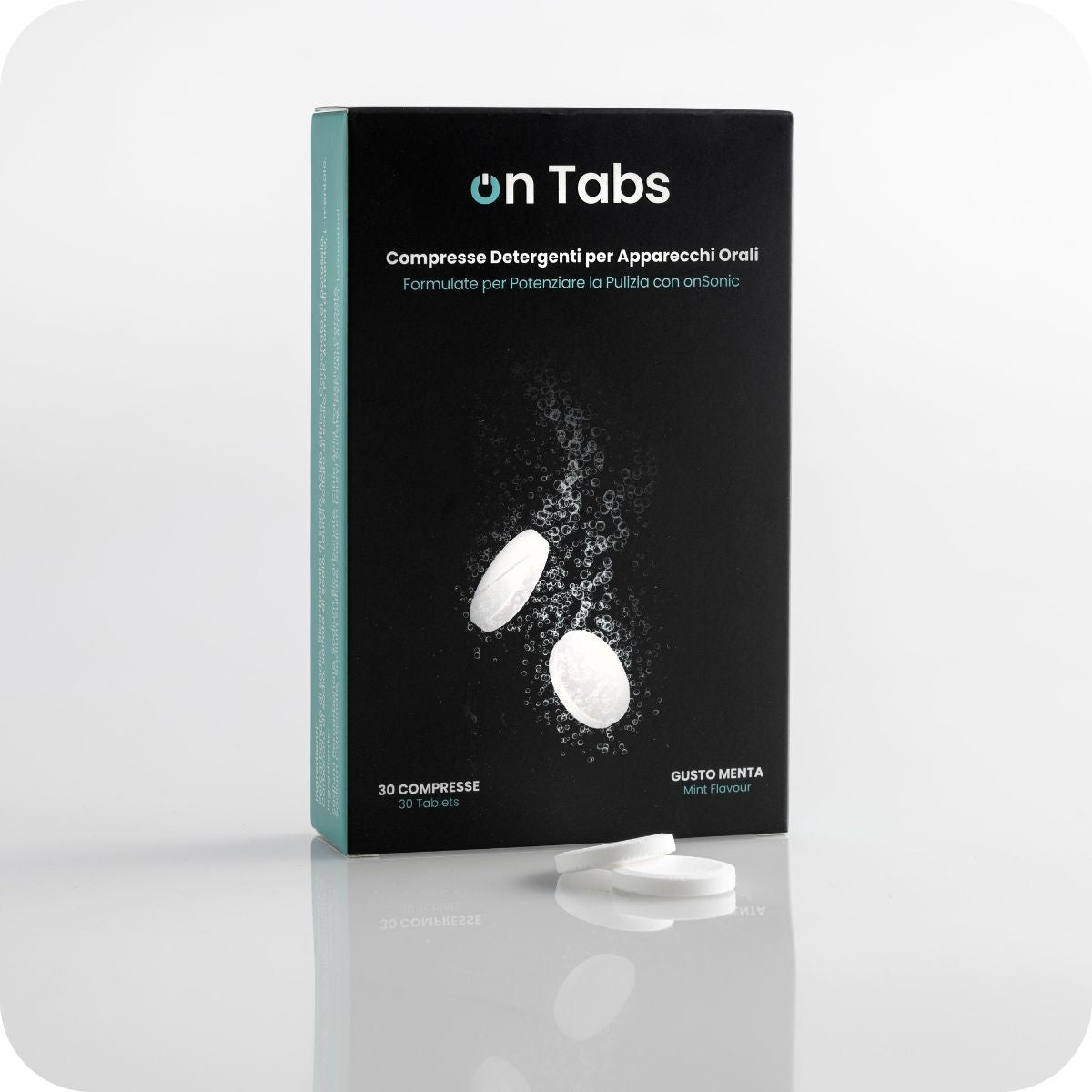
Klaron technology reduces reliance on harsh detergents, as most of the effectiveness comes from the mechanical action of the ultrasonic waves in the liquid. If additives are used, they are gentle and compatible detergents, integrated into clear and repeatable protocols, so patients don't have to improvise with unsuitable products.
How Klaron helps you avoid these mistakes
Many of the most common mistakes stem from two problems: a lack of clear information and the need to "scrub hard" to get a clean feel. Klaron addresses both issues by offering:
-
A standardized cleaning, which does not depend on the patient's strength or dexterity.
-
A process that is gentle on the material, reducing the risk of scratches, deformations and premature wear.
-
The option to include cases and small accessories in the cycle, for a more complete approach to daily aligner hygiene.
This way, the practice can simply explain "what not to do" (no abrasive toothpaste, no boiling water, no harsh detergents, no dirty cases) and propose a unique Klaron technological solution that makes it easier to follow the instructions and protect the treatment and your smile.